 Save
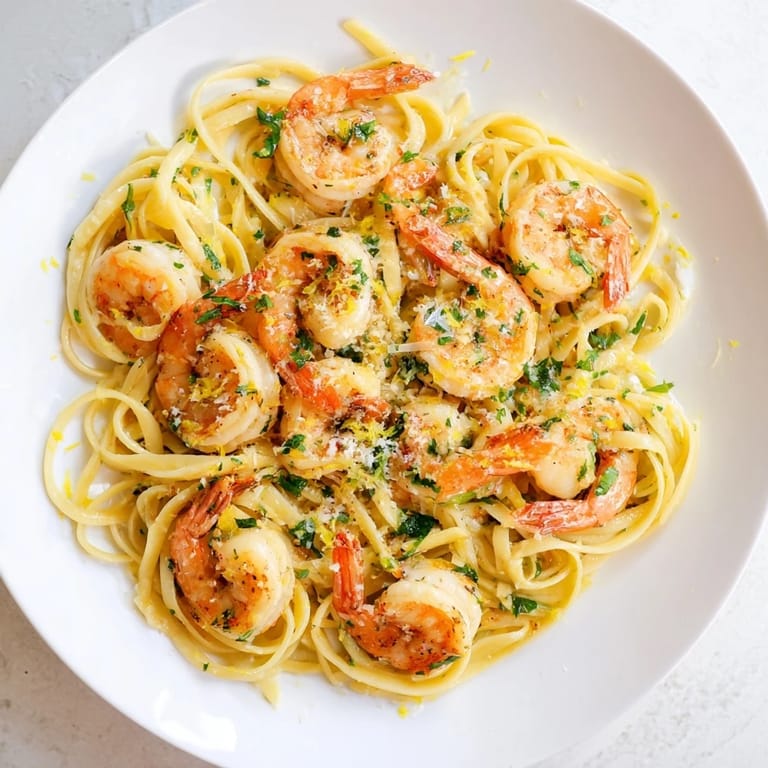
Save My neighbor knocked on my door one Thursday evening holding a bag of shrimp from the market, asking if I knew what to do with them before they went bad. I pulled out linguine, butter, and garlic, and twenty minutes later we were twirling pasta on our forks, laughing about how something this good shouldn't be this easy. That impromptu dinner became my go-to whenever I want to feel like I'm dining out without leaving my kitchen. There's something about shrimp and garlic butter that just works, no matter the occasion.
I made this for my sister's birthday last spring when she requested something special but not fussy. She sat at the counter with a glass of wine, watching me toss the shrimp in the pan, and declared it better than the pasta place downtown. The lemon zest made the whole kitchen smell bright and summery. We ate on the porch with string lights overhead, scraping our plates clean and arguing over who got the last shrimp.
Ingredients
- Large shrimp, peeled and deveined: Go for the bigger ones so they stay plump and juicy, and make sure they're dry before hitting the pan or they'll steam instead of sear.
- Linguine pasta: The flat shape holds onto the buttery sauce better than round noodles, and cooking it just until al dente keeps it from turning mushy when you toss it with the shrimp.
- Unsalted butter: This gives you control over the saltiness, and it browns slightly in the pan to add a nutty depth that olive oil alone can't achieve.
- Extra virgin olive oil: Mixing it with butter raises the smoke point and adds a fruity backbone to the sauce.
- Garlic, minced: Fresh cloves are non-negotiable here, the jarred stuff just doesn't have the same punch or sweetness when it blooms in hot butter.
- Crushed red pepper flakes: A pinch wakes up the whole dish without making it spicy, but skip it if you're cooking for someone who doesn't like heat.
- Lemon zest and juice: The zest carries the bright, floral oils that cut through the richness, while the juice adds the tangy finish that makes you want another bite.
- Fresh parsley, chopped: It's not just garnish, it adds a grassy freshness that balances the butter and garlic.
- Salt and black pepper: Season as you go, tasting the shrimp and the pasta water to build flavor in layers.
- Parmesan cheese: Optional but worth it, the salty, nutty shavings melt slightly into the hot pasta and make everything taste more indulgent.
Tired of Takeout? 🥡
Get 10 meals you can make faster than delivery arrives. Seriously.
One email. No spam. Unsubscribe anytime.
Instructions
- Boil the Pasta:
- Fill a large pot with water, salt it until it tastes like the sea, and bring it to a rolling boil before adding the linguine. Cook it just until it has a slight bite in the center, then scoop out half a cup of that starchy water before draining.
- Prep the Shrimp:
- Pat each shrimp completely dry with paper towels and sprinkle them with a little salt and pepper. Wet shrimp won't brown, they'll just release water and turn rubbery.
- Start the Sauce:
- Melt the butter with the olive oil in a large skillet over medium heat, then add the garlic and red pepper flakes. Stir constantly for about a minute until the garlic smells incredible but hasn't turned golden, because burned garlic is bitter and there's no coming back from it.
- Cook the Shrimp:
- Lay the shrimp in a single layer in the skillet and let them sit undisturbed for two minutes so they get a nice sear. Flip them once and cook for another two minutes until they're pink and curled, then pull the pan off the heat before they overcook and turn chewy.
- Add Lemon and Pasta:
- Stir in the lemon zest and juice, then add the drained linguine and toss everything together with tongs. Drizzle in the reserved pasta water a little at a time to help the sauce coat every strand without making it soupy.
- Finish and Serve:
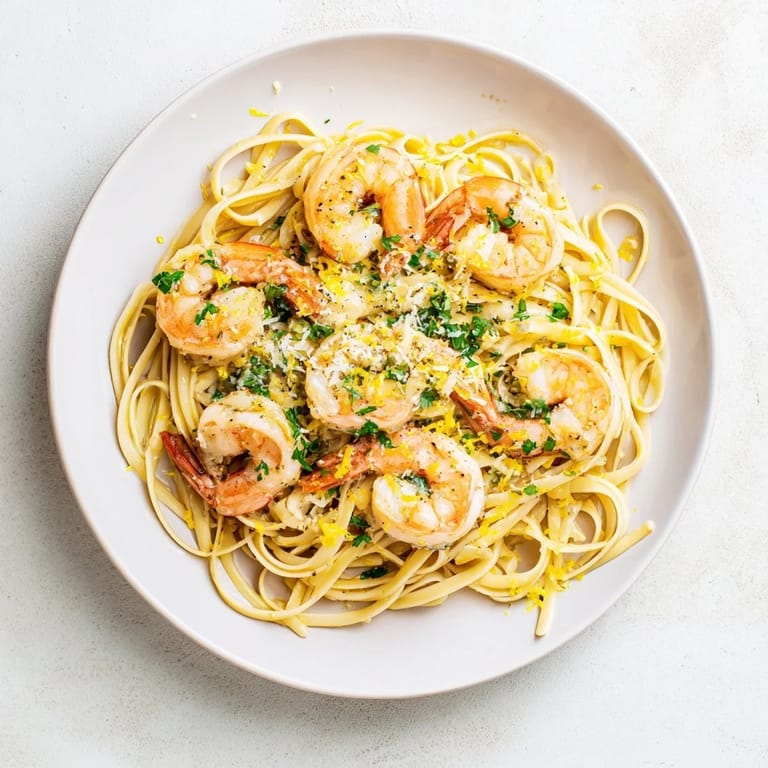
- Toss in the chopped parsley, taste for salt and pepper, and twirl it onto plates immediately. Top with Parmesan if you're using it, and enjoy it while it's still steaming hot.
 Pin it
 The first time I brought this to a potluck, someone asked if I'd catered it. I laughed and told them it took less time than the drive over. Now it's the dish people request when they come to dinner, and I've stopped pretending it's any effort at all. It's become my proof that impressive doesn't have to mean complicated.
How to Pick the Best Shrimp
I used to grab whatever shrimp was on sale until I learned that size really matters for this dish. Large shrimp stay tender and juicy even if you slightly overcook them, while smaller ones turn rubbery in seconds. Look for shrimp labeled 16 to 20 count per pound, and if you can find wild-caught, the flavor is noticeably sweeter and cleaner. Frozen is fine and often fresher than what's sitting in the seafood case, just thaw them in the fridge overnight or run them under cold water for a few minutes.
Wine and Variations
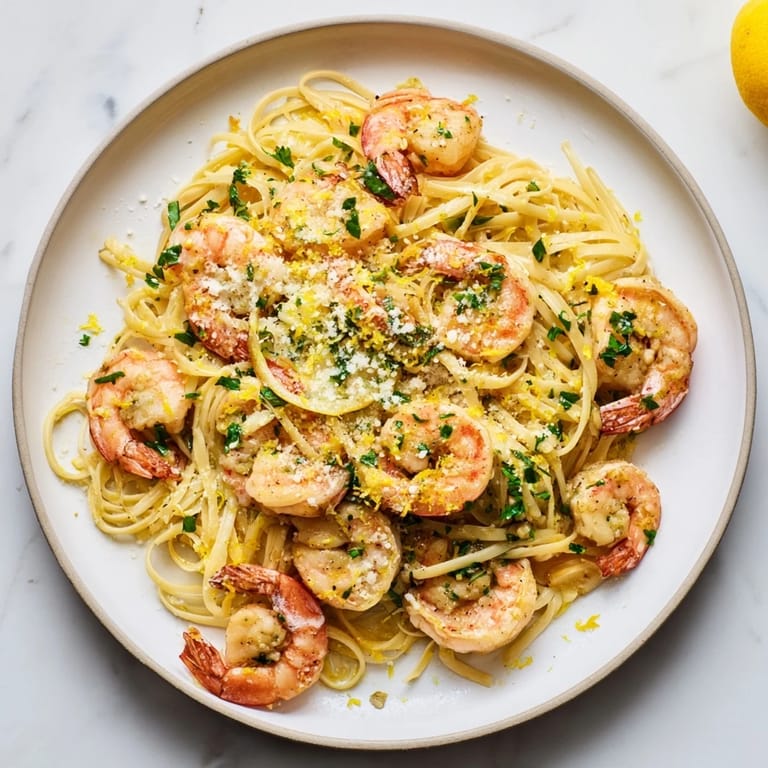
A splash of white wine in the pan before adding the shrimp turns this into something that tastes like you spent an hour on it. I usually pour in a quarter cup and let it bubble for a minute to cook off the alcohol, which leaves behind a subtle acidity that plays beautifully with the lemon. If you don't have wine, a splash of the pasta water works too, or even a squeeze of extra lemon juice. Some nights I'll throw in halved cherry tomatoes with the garlic, and they burst into a sweet, tangy sauce that makes the whole thing feel summery.
Storing and Reheating
Leftovers keep in the fridge for up to two days, though the pasta will soak up some of the sauce as it sits. When I reheat it, I add a splash of water or broth to a skillet and warm it gently over low heat, tossing constantly so the shrimp don't overcook again. The microwave works in a pinch, but the shrimp can get rubbery if you're not careful. Honestly, this is one of those dishes that's so quick to make fresh that I rarely plan for leftovers.
- If you're making it ahead, cook the pasta and shrimp separately and combine them right before serving.
- Swap the linguine for fettuccine, spaghetti, or even angel hair depending on what's in your pantry.
- For a spicier version, double the red pepper flakes or add a pinch of cayenne with the garlic.
 Pin it
 This dish has become my answer to weeknight chaos and last-minute dinner guests alike. It's proof that a handful of good ingredients and a little bit of heat can turn into something you'll crave long after the plates are cleared.
Frequently Asked Questions
- → How do I prevent shrimp from becoming rubbery?
Cook shrimp only until the flesh turns opaque and pink, about 2 minutes per side. Overcooked shrimp become tough and chewy. Remove from heat immediately once done.
- → Can I prepare this dish in advance?
Prepare ingredients ahead, but assemble and cook immediately before serving for best results. The pasta and shrimp are best enjoyed fresh, though cooked components can be refrigerated separately for up to 2 days.
- → What's the purpose of reserved pasta water?
Starchy pasta water helps emulsify the sauce, creating a silky coating that adheres to the linguine. Add gradually to achieve desired consistency without making the dish watery.
- → Should I use fresh or frozen shrimp?
Either works, but thaw frozen shrimp completely and pat dry before cooking. Moisture on the surface prevents proper searing and can cause the shrimp to steam rather than sauté.
- → How can I make this dish less rich?
Reduce butter to 2 tablespoons or use equal parts butter and olive oil. Increase lemon juice for brightness and freshness without dairy richness.
- → What wine pairs best with this dish?
Crisp white wines like Sauvignon Blanc or Pinot Grigio complement the buttery sauce and citrus notes beautifully, cutting through richness while enhancing seafood flavors.