 Save
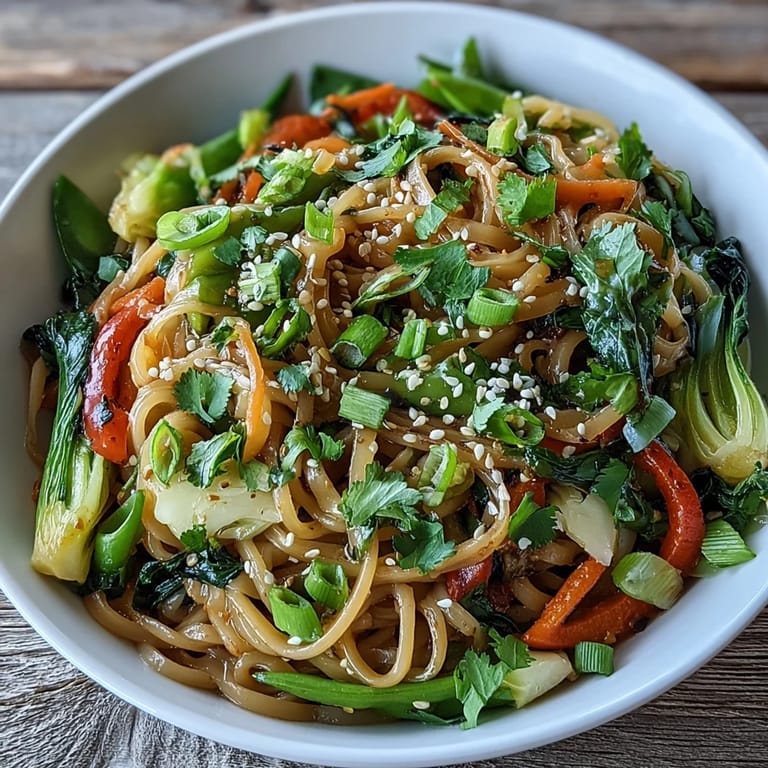
Save Last Tuesday, I was scrolling through my phone during lunch when I realized I'd been eating the same sad desk salads for three weeks straight. Something about shirataki noodles kept popping up in my feed, and I thought, why not try something that actually feels like cooking? Twenty-five minutes later, I had this vibrant, steaming bowl in front of me, and the ginger aroma alone made me forget I was eating something technically low-carb. It became my go-to when I want something that tastes indulgent but doesn't leave me feeling sluggish afterward.
My partner walked in while I was plating the second bowl and asked what smelled so good. I barely let them taste it before they were asking if I could make it again the next night—and the night after that. Now it's become our Friday wind-down meal, the kind where we actually sit down together instead of eating standing up in the kitchen.
Ingredients
- Shirataki noodles: These are basically translucent, chewy strands made from konjac root, and they absorb flavor like a sponge while staying guilt-free; always rinse and boil them first or they'll taste slightly funky.
- Bok choy: The tender stalks and leafy greens cook at different rates, so add it after the harder vegetables to keep it crisp and bright green.
- Red bell pepper: Slice it thin so it cooks evenly and gets slightly charred at the edges, which brings out a natural sweetness.
- Snow peas: Keep these trimmed and whole so they stay snappy; overcooked snow peas turn disappointingly mushy.
- Carrot: Julienne it so the thin strands cook quickly and distribute throughout the bowl, adding little bursts of natural sweetness.
- Green onions: Use the white and light green parts for cooking, then scatter the dark green tops as a raw garnish for color and a sharp onion bite.
- Tamari or gluten-free soy sauce: Tamari is naturally gluten-free and has a deeper, less salty flavor than regular soy sauce.
- Rice vinegar: Its subtle sweetness keeps the sauce from tasting too aggressively salty or sharp.
- Toasted sesame oil: This is nonnegotiable—regular sesame oil tastes bland by comparison, and toasted brings an earthy, nutty depth.
- Fresh ginger: Grate it on a microplane just before cooking so the oils stay bright and the heat feels clean rather than dusty.
- Garlic clove: One is enough; too much overwhelms the delicate ginger flavor and makes the sauce one-dimensional.
- Maple syrup: Just a touch balances the vinegar and salty elements without making the sauce taste like dessert.
- Chili flakes: Optional, but they add a gentle warmth that lingers rather than screams at your palate.
- Toasted sesame seeds: Toast your own if you can; store-bought toasted seeds somehow taste more alive and aromatic.
- Fresh cilantro or basil: Cilantro brings a brightness that feels almost citrusy, while basil adds a peppery sophistication.
Tired of Takeout? 🥡
Get 10 meals you can make faster than delivery arrives. Seriously.
One email. No spam. Unsubscribe anytime.
Instructions
- Rescue those noodles:
- Drain the shirataki from their liquid (seriously, don't skip this or they'll taste funky), then rinse under cold water until the water runs clear. Boil them for exactly two minutes—this step removes any remaining smell and firms up the texture so they feel more like real noodles. Pat them dry with paper towels before they go in the pan, otherwise they'll release water and make everything soggy.
- Build your sauce:
- In a bowl, whisk together the tamari, rice vinegar, sesame oil, grated ginger, minced garlic, maple syrup, and chili flakes. This takes about two minutes but changes everything; the flavors should smell warm and complex, with the ginger dominating but the sesame oil rounding out the edges.
- Get your wok or skillet hot:
- Medium-high heat is key—you want sizzle when the vegetables hit the pan, not a gentle sauté. If you're using a regular skillet instead of a wok, that's fine; just make sure it's large enough that you're not overcrowding.
- Start with the hard vegetables:
- Toss in the carrot, bell pepper, and snow peas first. Stir-fry for two to three minutes, listening for that crackling sound that means they're caramelizing just a bit at the edges. You want them still crisp, not tender; they'll soften slightly more when you add the sauce.
- Add the tender greens:
- Throw in the bok choy and green onions, giving everything a good toss for another minute or so. The bok choy should wilt slightly but still have some spring to it when you press it with the spatula.
- Bring everything together:
- Add those drained noodles and pour the sauce over everything, then toss like you mean it, making sure every noodle gets coated. Let it all cook together for two to three minutes until the noodles are heated through and the sauce clings to everything; the pan should smell like a warm, gingery dream at this point.
- Plate and finish:
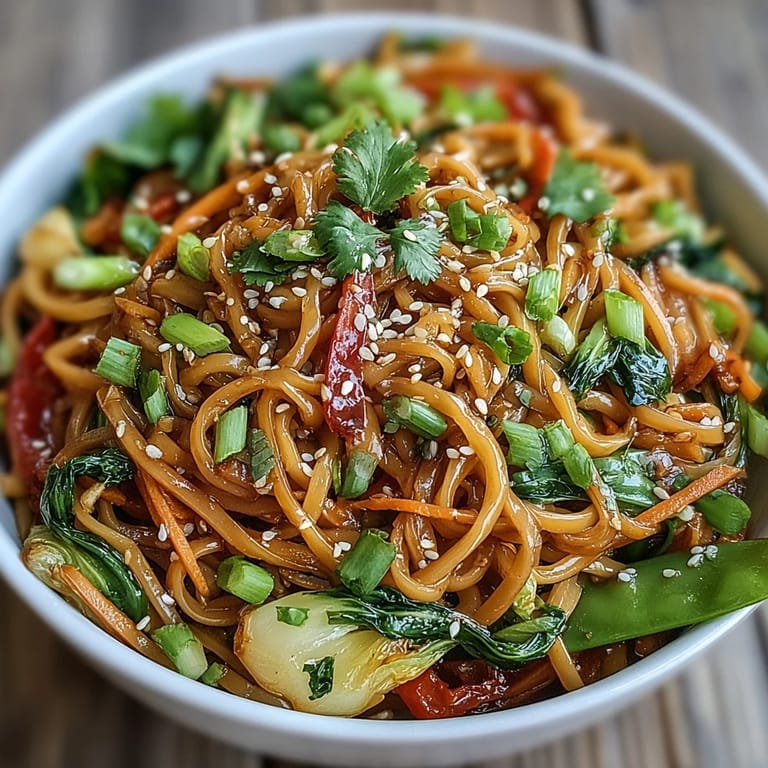
- Divide between two bowls, sprinkle with toasted sesame seeds, and scatter fresh herbs on top if you've got them. A squeeze of lime right before eating brings the whole thing into focus.
 Pin it
 There was this one evening when my friend came over stressed about a work presentation, and I made this bowl without even asking. Watching them slow down with each bite, the tension literally leaving their shoulders, reminded me that food doesn't have to be complicated to be transformative. It's become my go-to move when someone needs feeding, literally and spiritually.
Customizing Your Bowl
The beauty of this recipe is how flexible it is without losing its soul. You can swap out vegetables based on what's in your fridge—broccoli florets work beautifully, as do mushrooms (which get almost meaty when stir-fried), snap peas if you can't find snow peas, or even thinly sliced cabbage for extra crunch. The core of ginger sauce remains the star, so as long as you nail that, you're golden.
Making It A Complete Meal
On its own, this bowl is light and energizing—perfect for lunch or a solo dinner when you want something that won't make you feel heavy. But if you're cooking for someone else or want something more substantial, add grilled tofu (which soaks up the sauce beautifully), crumbled tempeh for a nuttier texture, or cooked shrimp if you eat seafood. Even a soft-boiled egg on top transforms it from side-dish vibes to legitimate dinner.
The Sauce Situation
This ginger sauce is honestly too good to keep contained in one bowl. I've started making a double batch and storing it in a jar in my fridge; it keeps for about five days and elevates roasted vegetables, grain bowls, steamed fish, or even as a dressing for cold noodle salads. Once you taste how the warm ginger plays against the sesame oil and vinegar, you'll understand why it deserves to be a staple.
- If your sauce tastes too sharp, add a touch more sesame oil or maple syrup to round it out.
- Make sure your ginger is fresh and fragrant; old ginger turns fibrous and loses that bright, spicy punch.
- This sauce works equally well cold if you're making a chilled noodle bowl on a hot day.
 Pin it
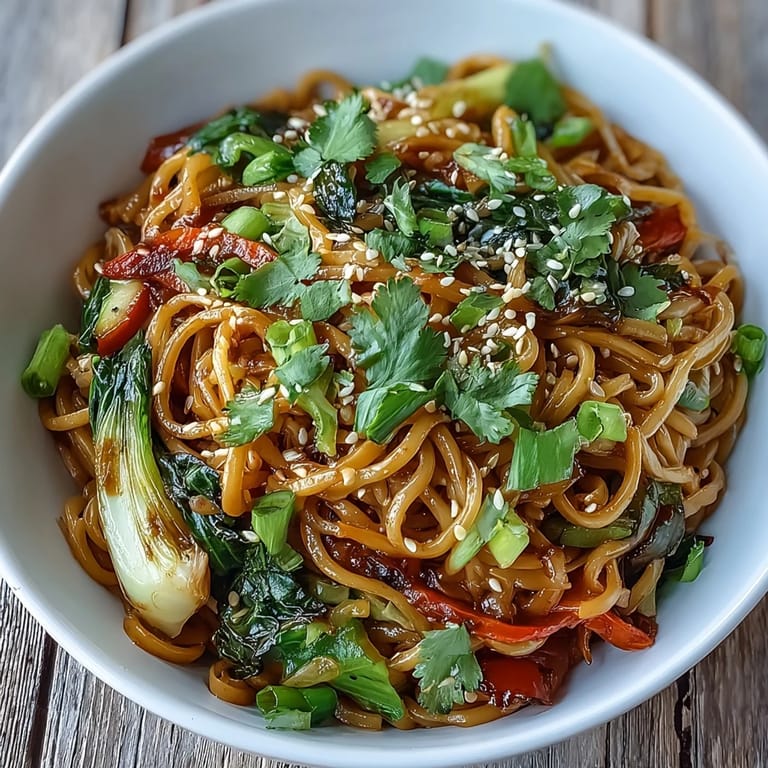
 This bowl represents something I've come to love about cooking for myself—taking five minutes to do something that nourishes both body and spirit. Make it once, and it'll become part of your regular rotation.
Frequently Asked Questions
- → What do shirataki noodles taste like?
Shirataki noodles have a very mild, neutral taste on their own. They readily absorb the flavors of whatever sauce they're cooked with, making them perfect for this aromatic ginger preparation. The texture is slightly chewy and slippery, similar to glass noodles.
- → Do I need to cook shirataki noodles?
Yes, preparation is important. Drain and rinse them thoroughly under cold water, then boil for 2 minutes to remove any natural aroma. Pat them dry with paper towels before adding to the skillet—this helps them absorb the sauce better.
- → Can I add protein to this bowl?
Absolutely. Grilled tofu, tempeh, edamame, or cooked shrimp work wonderfully. Add your protein during the final 2-3 minutes of cooking to heat through without overcooking the vegetables.
- → How long do leftovers keep?
Store in an airtight container in the refrigerator for up to 2 days. Note that shirataki noodles continue to absorb liquid, so the dish may become slightly softer when reheated. Add a splash of water or tamari when warming.
- → What vegetables work best in this dish?
Bok choy, bell pepper, snow peas, and carrots provide excellent crunch and color. You can also try broccoli, mushrooms, snap peas, shredded cabbage, or sliced zucchini depending on what's in season.