 Save
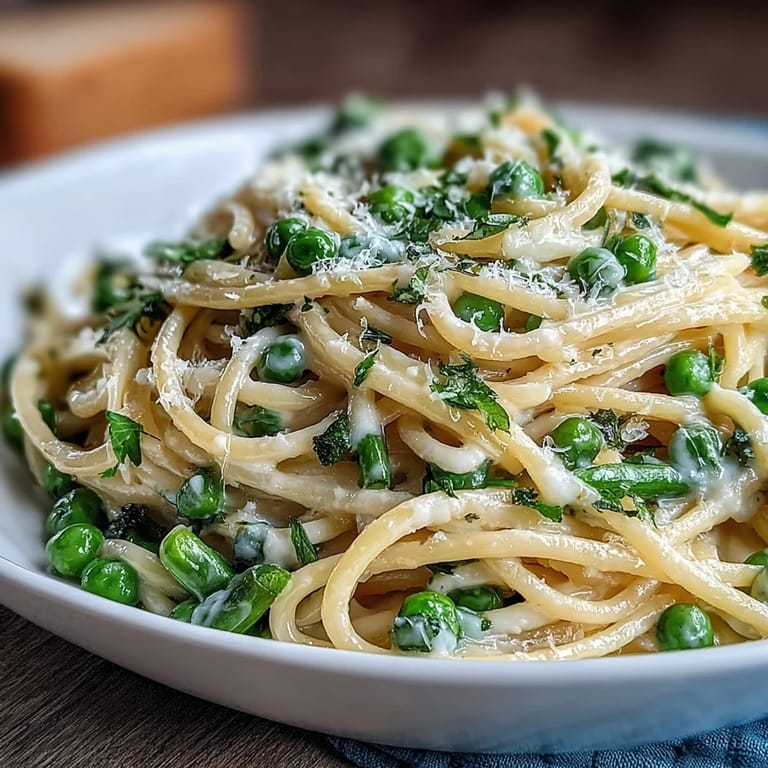
Save There's something about the smell of lemon and butter hitting a hot pan that stops me mid-afternoon, no matter what I'm doing. My neighbor knocked on the door one spring evening asking if I had fresh lemons, and twenty minutes later I'd thrown together this pasta almost by accident, using what was left in my fridge. She took one bite and asked for the recipe before she'd even finished twirling her fork. That's when I realized this dish needed no elaborate technique, just good ingredients and the willingness to let them shine.
I made this for my sister on a Tuesday when she called exhausted from work, and she sat at my kitchen counter while I cooked, watching the peas turn vibrant in the butter. By the time the pasta hit the pan, she was already smiling at the smell alone. Those are the meals I remember most, the ones where food becomes the reason people slow down.
Ingredients
- Linguine or spaghetti, 12 oz: The thinner the pasta, the better it clings to this delicate sauce—I've tried fettuccine and it slides right off.
- Fresh or frozen green peas, 1 cup: Frozen works just as well, honestly, and sometimes tastes fresher than what's been sitting in the produce section.
- Garlic, 2 cloves minced: Don't skip this step or use garlic powder; the fresh stuff becomes almost sweet and mild once it hits the butter.
- Lemon zest, 1 lemon: Use a microplane if you have one because you want those tiny flecks, not chunky bits of pith.
- Lemon juice, about 3 tbsp: Fresh is non-negotiable here—bottled juice tastes flat and one-dimensional by comparison.
- Fresh parsley, 2 tbsp chopped: Adds color and a whisper of freshness that rounds out all that richness.
- Unsalted butter, 4 tbsp: Butter is the whole point, so use good butter and taste the difference immediately.
- Parmesan cheese, 1/2 cup grated: Freshly grated melts into the sauce like magic; pre-shredded gets grainy and stuck.
- Salt and black pepper: Taste as you go because the pasta water, cheese, and lemon all contribute their own salt.
Tired of Takeout? 🥡
Get 10 meals you can make faster than delivery arrives. Seriously.
One email. No spam. Unsubscribe anytime.
Instructions
- Start your pasta water:
- Fill a large pot with water, salt it generously so it tastes like the sea, then bring it to a rolling boil. This is your only chance to season the pasta itself, so don't skimp on the salt.
- Cook the pasta:
- Drop the pasta in and stir it right away so it doesn't clump. Cook it to al dente, which means it should have just a tiny bit of bite left when you test it.
- Save that pasta water:
- Before you drain the pasta, scoop out at least a cup of that starchy cooking water and set it aside. It's going to be your secret weapon for making the sauce creamy without any cream.
- Melt the butter:
- In a large skillet, melt the butter over medium heat and watch it carefully. Once it foams and smells nutty, you're ready for the garlic, but if it starts browning, pull it off the heat.
- Cook the garlic gently:
- Add the minced garlic and let it sizzle for just one minute, stirring constantly. The moment you smell it, stop—garlic burns faster than you think and turns bitter.
- Add the peas:
- Toss in the peas and let them warm through, about 2 to 3 minutes. If they're fresh, they'll brighten in color; if frozen, they just need to thaw and heat up.
- Brighten with lemon:
- Stir in the lemon zest and juice, letting the acidity mix into the butter. The pan should smell like spring at this point, alive and bright.
- Bring the pasta in:
- Add your drained pasta to the skillet along with half a cup of that reserved pasta water. Start tossing everything together so the pasta gets coated in the sauce.
- Add the Parmesan:
- Sprinkle in the grated Parmesan, a pinch of salt, and a grind of black pepper. Keep tossing until the cheese melts into the sauce and everything becomes silky and cohesive.
- Adjust the sauce:
- If it looks too thick, add more pasta water a splash at a time until you like how it looks. You want the pasta swimming slightly, not drowning.
- Finish with parsley:
- Pull the pan off the heat and stir in the fresh parsley. Taste and adjust your seasoning because this is your last chance to make it perfect.
- Serve immediately:
- Divide among bowls and top with extra Parmesan and a crack of fresh black pepper.
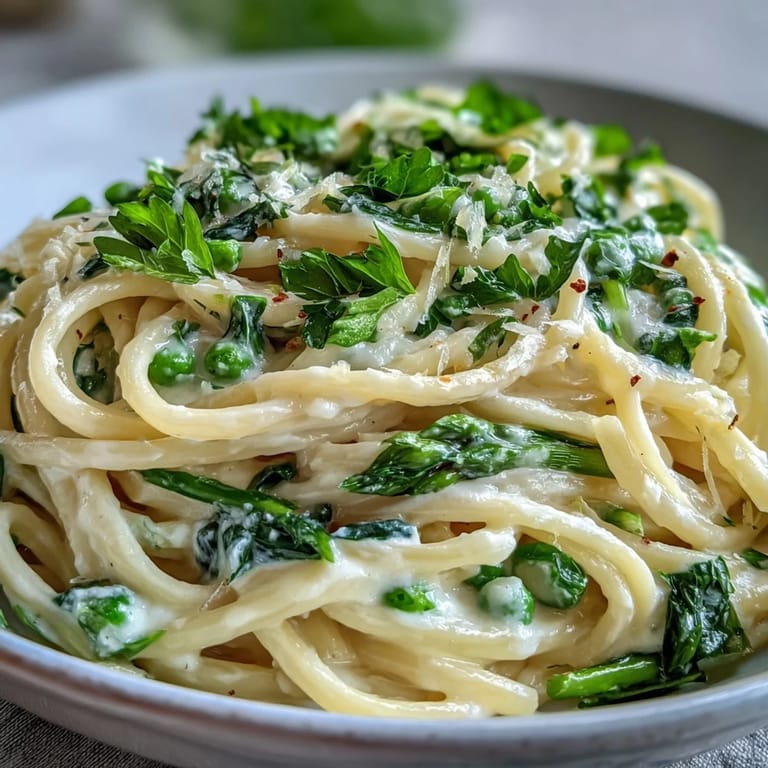 Pin it
 My mom tasted this once and said it reminded her of a restaurant in Positano, which made me feel like a chef even though I was just playing around with what I had. That compliment stuck with me more than it probably should have, but it taught me that simple doesn't mean less—it means trusting your ingredients and not overthinking it.
Why This Works So Well
The genius of this dish is how three simple elements—butter, lemon, and pasta water—combine into something that feels indulgent without being heavy. The starch from the pasta water emulsifies with the butter and creates this creamy coating that would never happen with just oil. It's the kind of dish that teaches you something about cooking if you're paying attention.
Variations That Actually Matter
I've added crispy pancetta, sautéed shrimp, roasted asparagus, fresh spinach stirred in at the end, and even a handful of lemon-zested ricotta dolloped on top. Each time it worked beautifully because the lemon-butter base is strong enough to anchor any addition. The only thing I'd warn against is adding too much because then you're no longer making this simple dish.
The Details That Make the Difference
Don't use pre-shredded Parmesan because those anti-caking agents prevent it from melting smoothly into the sauce. The quality of your lemon matters more than you'd think—a good lemon has juice that's bright and complex, while a mediocre one just tastes sour. And please taste the pasta water before you use it; if the pasta wasn't salted enough, your whole dish will taste flat.
- Fresh-grated Parmesan melts into the sauce like it belongs there, creating silkiness instead of graininess.
- Use a microplane for the zest so you get only the yellow part and not the bitter white pith underneath.
- Keep the heat medium so nothing burns and everything stays gentle and refined.
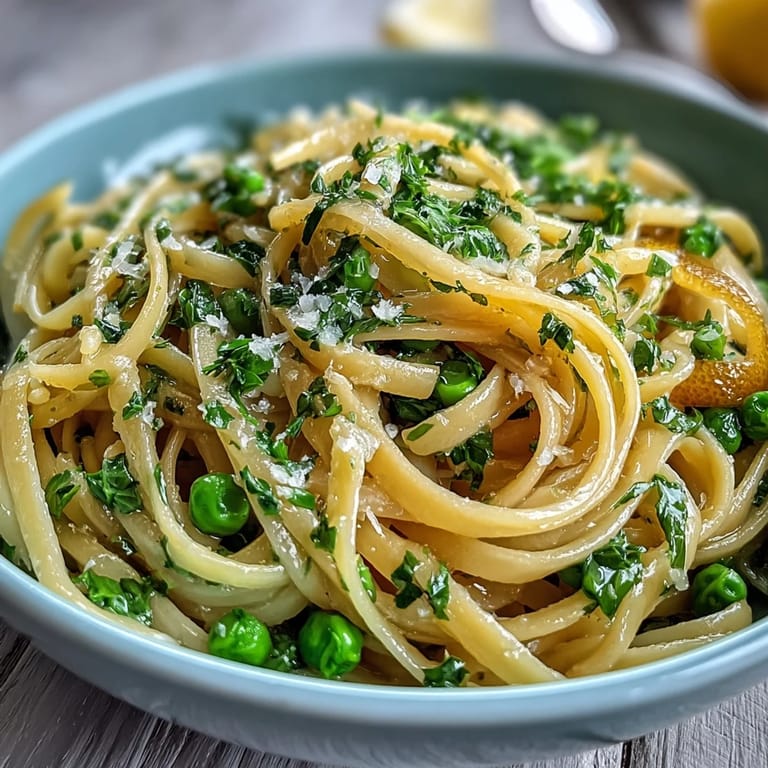 Pin it
 This is the kind of pasta that reminds you why you love cooking—it's fast, honest, and leaves everyone asking for more. Make it tonight and taste the difference that simple ingredients and a little attention can make.
Frequently Asked Questions
- → What type of pasta works best with lemon butter and peas?
Long strands like linguine or spaghetti are ideal as they hold the delicate lemon-butter sauce well and mix easily with the peas.
- → Can I use frozen peas instead of fresh ones?
Yes, frozen peas work perfectly and just need to be heated through during cooking to maintain sweetness and texture.
- → How can I achieve a creamy sauce without cream?
Combining pasta cooking water with melted butter and Parmesan cheese creates a naturally silky, creamy sauce without needing cream.
- → What herbs complement lemon butter pasta with peas?
Fresh parsley adds a mild herbaceous touch that brightens the dish, but basil or chives also pair nicely.
- → What are some good protein additions to this dish?
Sautéed shrimp or grilled chicken can be added for extra protein, enhancing both texture and flavor without overpowering the fresh elements.
- → How should I season the pasta water?
Generously salting the boiling water enhances the pasta's flavor and balances the richness of the lemon-butter sauce.