 Save
Save I discovered roasted beet hummus entirely by accident one autumn afternoon when I had a lonely beet sitting in my crisper drawer and a can of chickpeas that needed using up. Rather than make the same old hummus I'd made a hundred times, I roasted that beet out of pure curiosity, and the moment it came out of the oven—still steaming, wrapped in foil—the kitchen filled with this sweet, earthy perfume that made me stop what I was doing. The result was so vibrant and different, so naturally creamy with that deep magenta color, that it became the dip I now reach for first.
I made this for a small gathering last spring, and my friend who claims she doesn't like beets grabbed three pieces of pita and didn't put the bowl down until it was nearly empty. She later admitted she'd only eaten it because the color was so pretty she felt like she had to try it, but the earthy sweetness had won her over completely. That's when I knew this wasn't just a recipe—it was a conversation starter.
Ingredients
- 1 medium beet (about 180 g), trimmed and scrubbed: Roasting brings out the natural sugars and creates a deeper, more complex flavor than raw beet would ever give you; don't skip the scrubbing step, as any dirt clinging to the skin will char.
- 1 small garlic clove, peeled: One clove is enough to add presence without drowning out the beet's delicate sweetness—add it whole to the processor and it'll mellow beautifully during blending.
- 400 g (1 can) chickpeas, drained and rinsed: Rinsing removes the starchy liquid that would make your hummus gluey, so don't skip this even if you're in a hurry.
- 3 tbsp tahini: This is where the creaminess comes from; use a good quality paste and stir it well before measuring, as the oil separates naturally.
- 2 tbsp fresh lemon juice (about 1 lemon): Bottled juice works in a pinch, but fresh lemon brightens everything in a way that feels irreplaceable here.
- 2 tbsp extra-virgin olive oil, plus more for drizzling: The first two tablespoons blend into the hummus; the extra oil you drizzle on top creates that professional restaurant finish.
- ½ tsp ground cumin: Toast it in a dry pan for 30 seconds before adding if you want the flavor to really sing.
- ¼ tsp sea salt, or to taste: You can always add more, but you can't take it out, so taste as you go.
- 2–3 tbsp cold water (as needed): Start with less and add gradually; you're aiming for that silky, spreadable consistency that isn't quite mousse-like.
Tired of Takeout? 🥡
Get 10 meals you can make faster than delivery arrives. Seriously.
One email. No spam. Unsubscribe anytime.
Instructions
- Roast the beet until it surrenders:
- Preheat your oven to 200°C (400°F) and wrap the whole beet tightly in foil, then place it on a baking sheet and let it roast for 40–45 minutes until a fork slides through with no resistance. The skin should slip off easily once it cools, and the whole kitchen will smell like caramelized earthiness.
- Combine everything and blend:
- Once your roasted beet is cool enough to handle, peel it (your hands will turn pink, which is part of the charm), chop it roughly, and add it to the food processor along with the rinsed chickpeas, whole garlic clove, tahini, lemon juice, olive oil, cumin, and salt. Blend on high, stopping occasionally to scrape down the sides, until the mixture is completely smooth with no visible chickpea bits remaining.
- Loosen it to silky perfection:
- With the motor still running, add the cold water one tablespoon at a time, letting it incorporate fully between additions—you're looking for a texture that's creamy enough to scoop with a pita chip but holds its shape slightly on a spoon. This is where patience pays off; rushing the water will give you soup instead of hummus.
- Taste and adjust:
- Turn off the machine and take a proper taste, then balance the flavors with an extra pinch of salt or squeeze of lemon juice if needed. Every lemon is different, and every palate is too, so trust your mouth more than the recipe.
- Finish with presence:
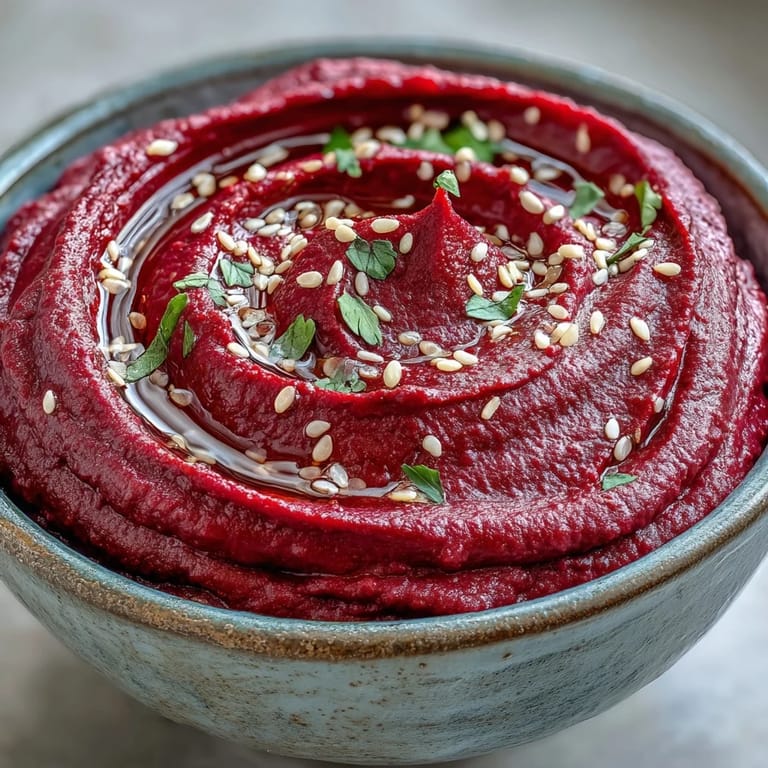
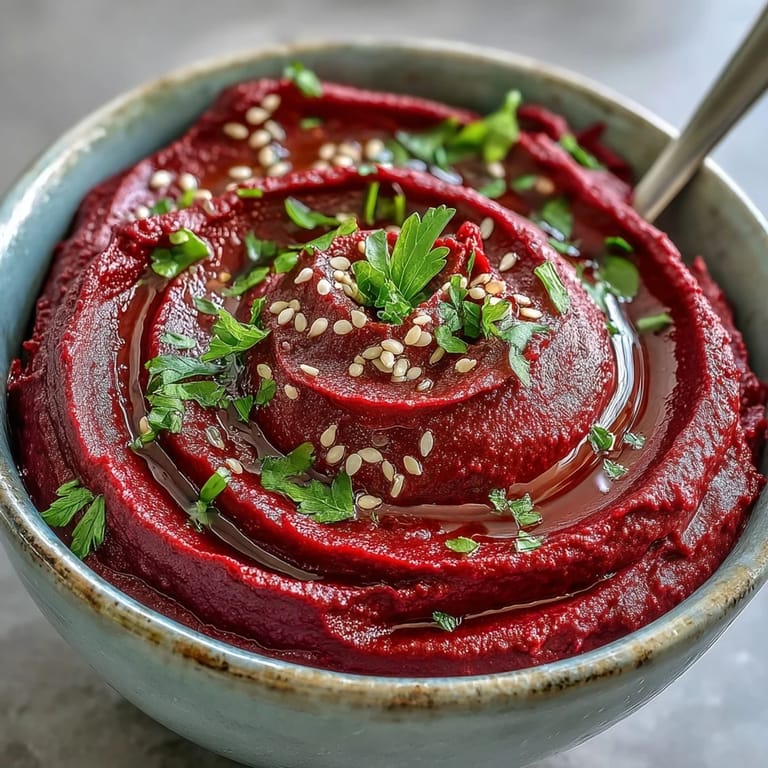
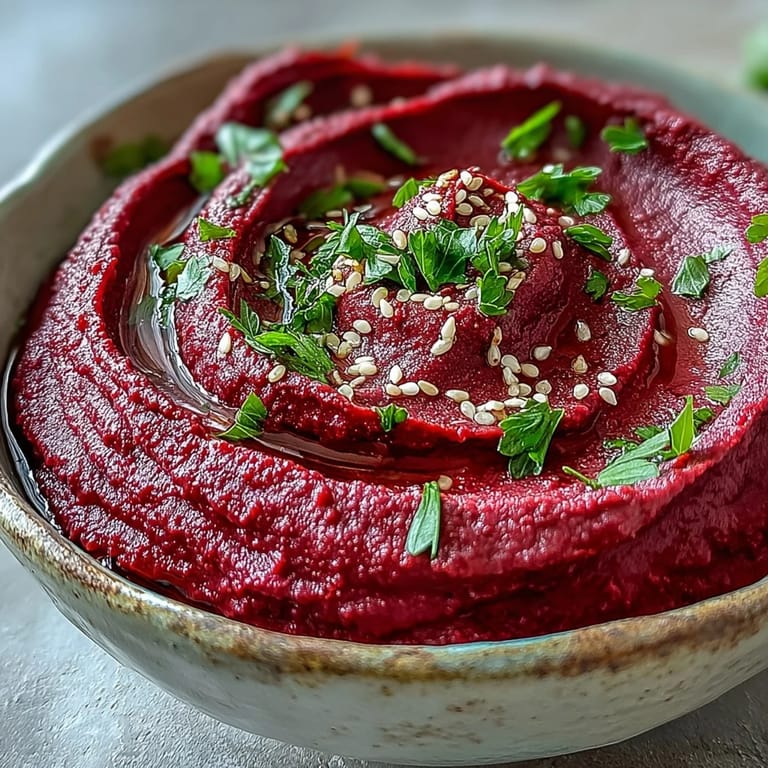
- Transfer your hummus to a shallow serving bowl and create a little well in the center with the back of a spoon, then drizzle extra olive oil into that well so it pools beautifully. If you're feeling fancy, sprinkle with sesame seeds, a whisper of cumin, or finely chopped fresh parsley.
 Pin it
 There's something almost meditative about watching hummus transform in the food processor, especially when the color shifts from muddy to vibrant as you blend. I've made this when I'm tired and when I'm energized, and somehow it always turns out the same—reliably delicious and genuinely pretty, which makes it feel like a small culinary win every single time.
Storage and Keeping
This hummus keeps brilliantly in an airtight container in the refrigerator for up to four days, though the color will deepen slightly as it sits. If the surface dries out a bit, just give it a fresh drizzle of olive oil and it'll taste as if you made it yesterday. I like to store it with a piece of parchment paper pressed right against the surface to prevent oxidation, a trick I learned that seems small but actually makes a real difference.
Serving Suggestions and Pairings
Beyond the obvious pita chips and vegetable crudités, this hummus performs beautifully as a sandwich spread, nestled under grilled vegetables on whole grain bread, or even dolloped onto grain bowls for a punch of color and creaminess. I've swirled it into soups, used it as a base for dressing, and once even mixed a spoonful into Greek yogurt for an unexpectedly sophisticated dip. The earthy sweetness pairs especially well with roasted root vegetables, crispy chickpeas, or alongside feta cheese if you're not keeping it vegan.
Variations and Flavor Twists
Once you've made this basic version and fallen in love with it, the variations become obvious and endless. Try adding a pinch of smoked paprika for depth, a tiny pinch of cayenne for a whisper of heat, or even a tablespoon of pomegranate molasses if you want to lean into the Middle Eastern flavor profile more fully. Some mornings I add a squeeze of pomegranate juice instead of extra water, and other times I've blended in fresh mint or dill if I had them on hand and felt adventurous.
- Smoked paprika adds a campfire-like warmth that deepens without overpowering the beet.
- A small drizzle of pomegranate molasses creates a sophisticated tang that makes people ask what your secret ingredient is.
- Fresh herbs like mint, dill, or cilantro can be added at the very end by pulsing them in gently so they stay bright and don't turn into dark specks.
 Pin it
 This recipe has become my go-to when I need something that looks impressive but feels entirely achievable, which turns out to be the exact moment when most people need to feed guests or impress someone. Make it once and you'll understand why it keeps appearing on tables.
Frequently Asked Questions
- → What does roasted beet hummus taste like?
The flavor is earthy and slightly sweet from roasted beets, with creamy tahini providing nutty richness. Fresh lemon adds brightness, while garlic and cumin give it aromatic depth. The combination balances sweetness with savory elements.
- → Do I have to roast the beets first?
Roasting develops the beets' natural sweetness and creates a deeper, more complex flavor than boiling or steaming. It takes about 45 minutes but makes a significant difference in the final taste and texture of your dip.
- → Can I use canned beets instead?
Canned beets work in a pinch, though they'll be less sweet and flavorful than roasted fresh ones. If using canned, drain them well and consider adding a touch of maple syrup or honey to compensate for lost sweetness.
- → How long does beet hummus last?
Stored in an airtight container in the refrigerator, this keeps well for up to 4 days. The vibrant color may deepen slightly over time, but the flavor remains excellent. Bring to room temperature before serving for best texture.
- → What should I serve with beet hummus?
Pair with warm pita bread, pita chips, or fresh vegetables like carrots, cucumber, and bell peppers. It also works beautifully as a sandwich spread, especially with roasted vegetables or falafel.
- → Why is my hummus too thick?
If the texture is too dense, gradually add more cold water while the food processor runs. Start with one tablespoon at a time until you reach the desired creamy consistency. The amount needed varies based on beet moisture content.