 Save
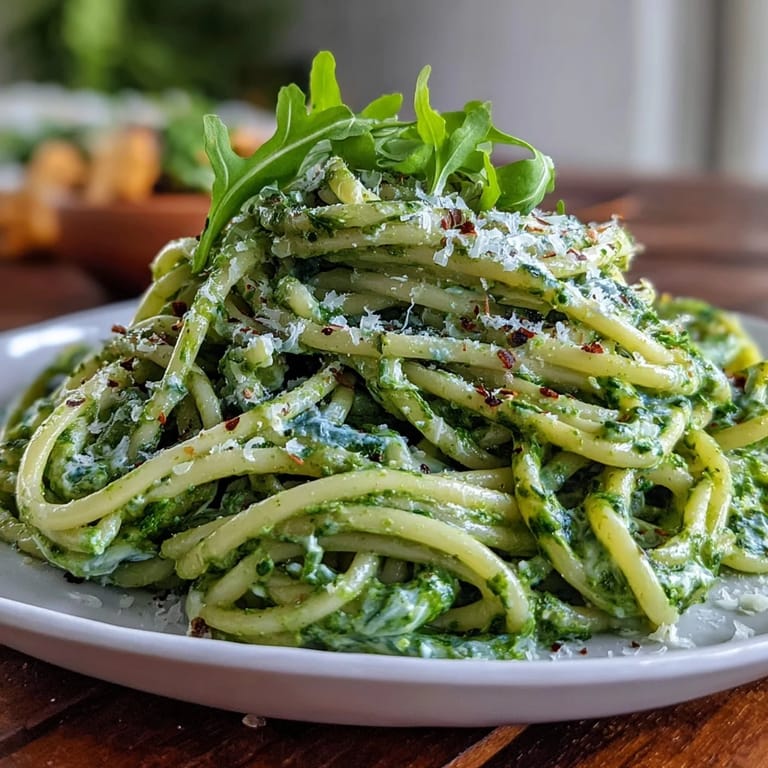
Save My neighbor handed me a bundle of arugula from her garden one afternoon, far more than I could ever use in salads. I tossed it into the food processor with whatever I had on hand, and that's when I stumbled onto this pesto. The peppery bite of arugula mixed with creamy cottage cheese created something I never expected: bright, tangy, and utterly satisfying. I've made it at least a dozen times since, and it never gets old.
I served this to friends on a warm spring evening, and they kept asking what made it taste so different. When I told them it was cottage cheese, they didn't believe me until I showed them the empty container. It became our go to dish for casual dinners, the kind of meal that feels special without any fuss. Everyone always goes back for seconds.
Ingredients
- Linguine: Use good quality dried pasta, and make sure to salt the water generously so the pasta itself has flavor.
- Arugula: Fresh, peppery arugula is the star here, look for bright green leaves without any yellowing or wilting.
- Cottage cheese: This is what makes the pesto creamy and protein rich, I use full fat for the best texture, but low fat works too.
- Parmesan cheese: Freshly grated Parmesan adds sharp, salty depth that balances the arugula's bite.
- Garlic clove: Just one clove is enough, too much and it overpowers the delicate arugula flavor.
- Extra virgin olive oil: A fruity, good quality olive oil makes all the difference in the final taste.
- Lemon juice: Fresh lemon juice brightens everything and cuts through the richness of the cheese.
- Salt and black pepper: Season to taste, remembering that the pasta water and Parmesan both add saltiness.
Tired of Takeout? 🥡
Get 10 meals you can make faster than delivery arrives. Seriously.
One email. No spam. Unsubscribe anytime.
Instructions
- Boil the pasta:
- Bring a large pot of salted water to a rolling boil, then add the linguine and cook until al dente, usually about 9 to 11 minutes. Before draining, scoop out half a cup of the starchy pasta water and set it aside.
- Blend the pesto:
- While the pasta cooks, throw the arugula, cottage cheese, Parmesan, garlic, olive oil, lemon juice, salt, and pepper into a food processor. Blend until smooth and creamy, stopping to scrape down the sides so everything gets evenly mixed.
- Toss it all together:
- Drain the pasta and return it to the pot, then add the pesto and toss until every strand is coated. Add the reserved pasta water a splash at a time until the sauce clings perfectly to the noodles.
- Serve and garnish:
- Divide the pasta among bowls and top with fresh arugula leaves, extra Parmesan, and a generous twist of black pepper. Serve immediately while it's still hot and glossy.
 Pin it
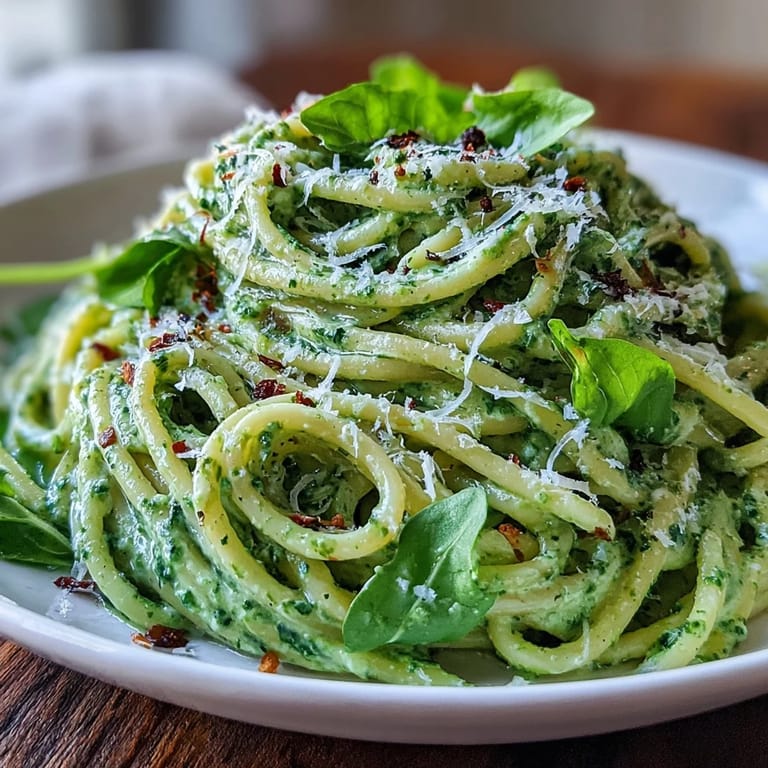
 There was one evening when I made this for my sister, who usually turns her nose up at anything green. She twirled the first forkful cautiously, then looked up at me in surprise and said it tasted like spring. That moment reminded me how food can change someone's mind, one simple bite at a time.
Customizing Your Pesto
If cottage cheese isn't your thing, ricotta works beautifully and gives the pesto an even silkier texture. You can also add a handful of fresh basil to mellow out the arugula's peppery edge, or toss in some lemon zest for extra brightness. I've even stirred in a spoonful of mascarpone when I wanted something richer, and it turned out incredible.
What to Serve Alongside
This pasta is light enough to serve with grilled chicken, roasted cherry tomatoes, or even a simple green salad. I love pairing it with a crisp Sauvignon Blanc or a light Pinot Grigio, something that echoes the bright, citrusy notes of the lemon. On busier nights, I just serve it on its own with crusty bread to soak up any extra pesto.
Storage and Leftovers
Leftover pesto keeps in an airtight container in the fridge for up to three days, though it may darken slightly. You can also freeze the pesto in ice cube trays and pop out a cube or two whenever you need a quick sauce. The pasta itself is best eaten fresh, but if you have leftovers, toss them with a splash of olive oil and a squeeze of lemon to bring them back to life.
- Store pesto separately from cooked pasta to keep both at their best.
- Reheat gently on the stovetop with a splash of water or broth to loosen the sauce.
- Add fresh arugula and Parmesan just before serving to brighten up leftovers.
 Pin it
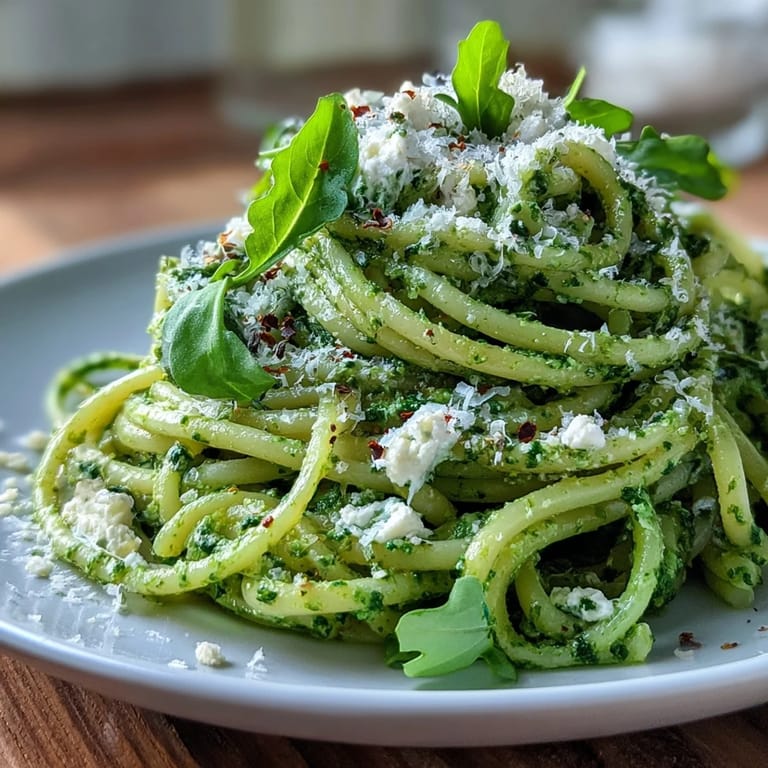
 This dish has a way of turning a regular weeknight into something a little more special, without any extra effort. I hope it becomes one of those recipes you reach for again and again, the kind that feels like a small celebration every time.
Frequently Asked Questions
- → Can I substitute another cheese for cottage cheese?
Yes, ricotta works wonderfully as a direct substitute, offering a similar creamy texture. Greek yogurt can also work for a tangier profile, though it may thin the pesto slightly.
- → How do I prevent the pesto from being too thick?
Use the reserved pasta cooking water to adjust consistency. Add it gradually, one tablespoon at a time, while tossing the pasta until you reach your desired silky texture.
- → Can I make the arugula pesto ahead of time?
Absolutely. Store the pesto in an airtight container in the refrigerator for up to 3 days. Drizzle a thin layer of olive oil on top to prevent browning and stir before using.
- → What pasta shapes work best besides linguine?
Spaghetti, fettuccine, or penne all work beautifully. Long pasta allows the pesto to coat each strand, while short shapes like penne catch the sauce in their ridges.
- → How can I make this dish more substantial?
Add grilled chicken, sautéed shrimp, or roasted cherry tomatoes. White beans or chickpeas also boost protein while keeping the dish vegetarian.
- → Why use arugula instead of basil for pesto?
Arugula provides a distinctive peppery, slightly spicy flavor that's more assertive than basil. Combined with cottage cheese instead of nuts, it creates a unique, lighter twist on traditional pesto.