 Save
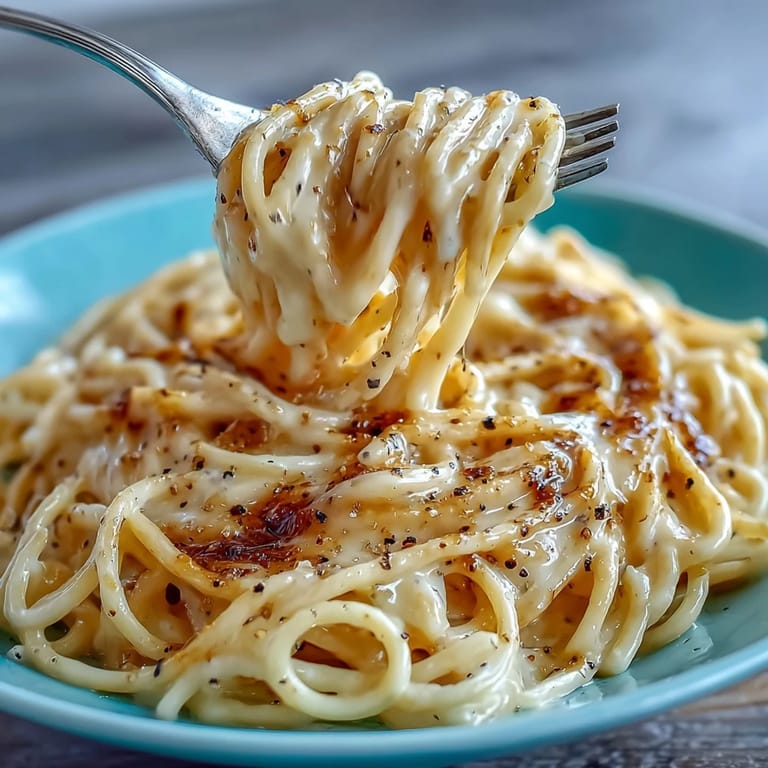
Save The smell of toasted black pepper hit me before I even realized what my neighbor was cooking. She stood at her stove, swirling pasta in a skillet with nothing but cheese, pepper, and starchy water, and I couldn't believe something so simple could smell that good. When she handed me a fork to taste, the creamy, sharp, peppery bite made me forget every complicated sauce I'd ever labored over. That night, I went home and made it myself, and it's been my go-to ever since.
I made this for my brother the night he moved into his first apartment with nothing but a pot and a dream. We sat on his floor, twirling spaghetti straight from the skillet, laughing about how grown-up we felt eating something this elegant with zero furniture. He still texts me every time he makes it, usually with a picture of his plate and a thumbs-up emoji. It became our little tradition, proof that good food doesn't need much.
Ingredients
- Spaghetti or tonnarelli: The pasta is the foundation here, so go for something with a bit of texture that will grab onto the sauce. I always cook it a minute shy of al dente because it finishes in the skillet, soaking up all that peppery, cheesy goodness.
- Pecorino Romano cheese: This is the star, so buy a good wedge and grate it yourself right before you cook. Pre-shredded stuff has anti-caking agents that turn the sauce grainy and sad, and you deserve better than that.
- Whole black peppercorns: Freshly cracked pepper is not optional, it's the soul of the dish. I crack mine in a mortar or a pepper mill set to coarse, and toasting it in the pan wakes up all those warm, spicy notes.
- Kosher salt: Just for the pasta water, but don't skimp. The water should taste like the sea, and that's what seasons the pasta from the inside out.
- Unsalted butter (optional): Traditionalists skip it, but I like the silky richness it adds. A tablespoon won't hurt anyone, and it helps the sauce come together if you're nervous about the emulsion.
Tired of Takeout? 🥡
Get 10 meals you can make faster than delivery arrives. Seriously.
One email. No spam. Unsubscribe anytime.
Instructions
- Boil the pasta:
- Bring a big pot of water to a rolling boil, salt it generously, and drop in your spaghetti. Cook it until it's just shy of tender, about a minute less than the box says, because it's going to keep cooking in the skillet. Before you drain it, scoop out at least a cup and a half of that starchy, cloudy water—it's liquid gold for your sauce.
- Toast the pepper:
- While the pasta bubbles away, toss your cracked peppercorns into a large dry skillet over medium heat. Shake the pan and let them sizzle for about a minute until they smell toasty and your kitchen starts to feel like a Roman trattoria.
- Build the base:
- Pour a cup of that hot pasta water into the skillet with the pepper and lower the heat. This is where the magic starts, you're creating a peppery broth that will turn into a creamy coating.
- Toss the pasta:
- Add your drained spaghetti to the skillet and toss it around, letting it drink up some of that peppery water. The pasta should look glossy and start to cling together a little.
- Add the cheese:
- Take the skillet off the heat and start sprinkling in the Pecorino, a handful at a time, tossing constantly like your life depends on it. If it clumps or looks dry, splash in more pasta water bit by bit until you get a smooth, creamy sauce that coats every strand.
- Finish with butter (if using):
- Toss in the butter and stir until it melts and disappears into the sauce. It adds a little extra richness and helps everything come together into one silky, glossy dream.
- Serve immediately:
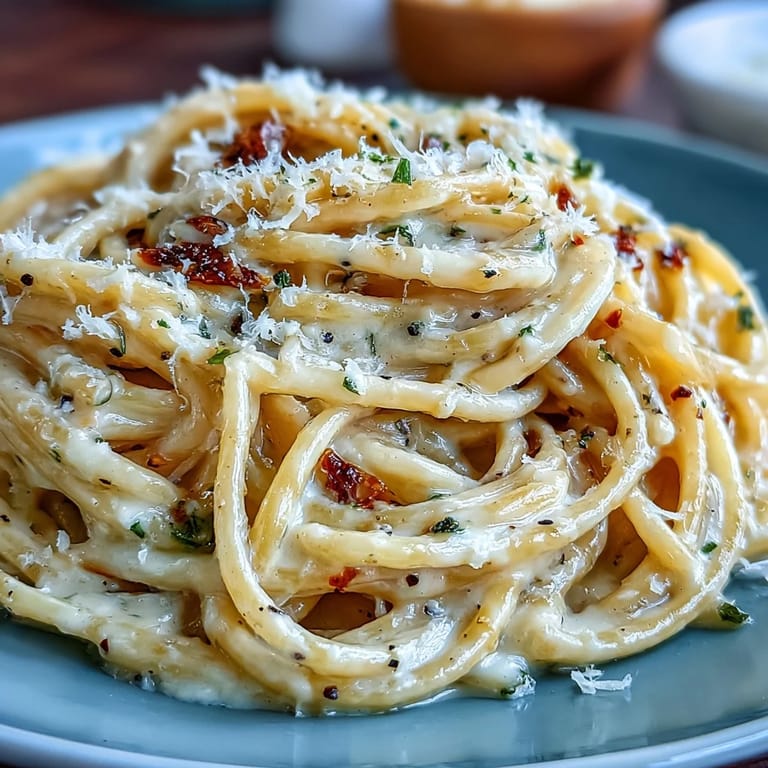
- Plate it up right away, top with more grated Pecorino and a generous crack of black pepper. This dish waits for no one, so eat it while it's hot and perfect.
 Pin it
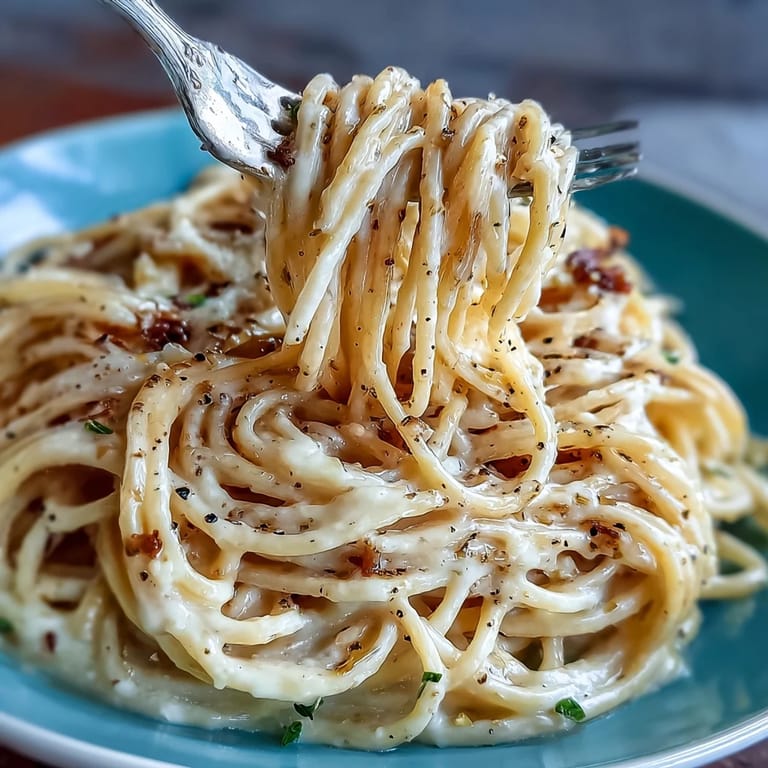
 The first time I got the sauce right, smooth and clinging to every strand, I stood there grinning at the stove like I'd won something. My roommate walked in, took one bite, and said it tasted like we were sitting in a tiny restaurant in Rome. We weren't, we were in our cramped kitchen with mismatched bowls, but it felt true enough.
Choosing Your Pasta
Tonnarelli is the traditional choice, a thicker, square-cut noodle that grabs onto the sauce like it was made for this exact moment. Spaghetti works beautifully too, especially if you can't find tonnarelli at your local shop. I've even used bucatini when I'm feeling fancy, and the hollow center catches little pockets of peppery cheese that make every bite a surprise.
Getting the Sauce Right
The key is heat management and constant motion. If your pan is too hot, the cheese will break and turn greasy. If you don't toss enough, it will clump. I learned this the hard way after serving my friend a plate of spaghetti with cheese crumbles instead of a creamy sauce, and we laughed but I was secretly mortified. Now I always pull the pan off the burner, add the cheese slowly, and keep everything moving until it's glossy and smooth.
Serving and Storing
This dish is best eaten the moment it's done, straight from the skillet if you're feeling casual. Leftovers can be saved in the fridge for a day, but the sauce will tighten up and lose some of that silky magic. When I reheat it, I add a splash of water or milk and warm it gently in a pan, stirring until it loosens up again.
- Serve it in warm bowls so the sauce stays creamy longer.
- A crisp white wine like Frascati or Verdicchio is perfect alongside, cutting through the richness.
- If you want to make it a meal, pair it with a simple arugula salad dressed with lemon and olive oil.
 Pin it
 Every time I make this, I'm reminded that the best dishes don't need a long ingredient list or hours of prep. Just good cheese, good pepper, and a little patience while you toss it all together.
Frequently Asked Questions
- → What makes Cacio e Pepe different from other pasta dishes?
Cacio e Pepe relies on just three core ingredients—pasta, Pecorino Romano cheese, and black pepper—making it one of Rome's simplest yet most flavorful traditional dishes. The technique of emulsifying cheese with starchy pasta water creates a creamy sauce without cream.
- → Can I substitute Parmesan for Pecorino Romano?
While Parmesan can work in a pinch, Pecorino Romano's sharp, salty flavor is essential to authentic Cacio e Pepe. Pecorino is made from sheep's milk and provides the distinctive tangy taste that defines this Roman classic.
- → Why does my cheese clump instead of creating a smooth sauce?
Clumping occurs when cheese hits water that's too hot or when it's added too quickly. Remove the pan from heat before adding cheese, sprinkle it gradually while tossing vigorously, and ensure you're using freshly grated cheese rather than pre-shredded varieties with anti-caking agents.
- → What type of pasta works best for Cacio e Pepe?
Tonnarelli, a square-shaped spaghetti, is traditional in Rome, but regular spaghetti, bucatini, or even rigatoni work beautifully. The key is cooking it al dente so it can absorb the peppery sauce while maintaining texture.
- → How do I save the dish if the sauce becomes too thick?
Always reserve extra pasta cooking water—it's your insurance policy. Add it a tablespoon at a time while tossing constantly to loosen the sauce. The starchy water helps re-emulsify the cheese and restore creaminess.
- → Is butter traditional in Cacio e Pepe?
Authentic Roman Cacio e Pepe contains no butter—just pasta, cheese, and pepper. However, some modern variations include a small amount for extra richness and to help emulsify the sauce, particularly for beginners.